Adding aesthetics to an optometry practice is one of the most natural, and most misunderstood, expansions in eye care.
Misunderstood, because most optometrists think "medspa" means a completely separate business with no connection to what they already do. It isn't. You already work in the most aesthetically sensitive region of the entire face: the eyes and the skin around them. Aesthetics isn't a departure from optometry. It's the next room.
Here's how I help eye care practices add aesthetics without losing their identity, or their license to operate cleanly.
Why Optometry and Aesthetics Belong Together
Patients already trust you with the most delicate part of their face. You understand the anatomy of the periocular region better than almost any other provider. And you see the same patients on a recurring schedule, the exact relationship aesthetics depends on.
Dry eye work and aesthetics also share technology. IPL treats meibomian gland dysfunction and rosacea and pigmentation. Radiofrequency tightens skin and stimulates glands. The overlap is real, which means your first aesthetic devices may already be in the building.
Start With the Services That Overlap Your Skill Set
Don't open with a full medspa menu. Start where your expertise and your equipment already reach:
- Periocular and skin treatments using IPL and RF you may already own for dry eye.
- Lash and brow services, a low-risk, high-margin entry point.
- Medical-grade skincare focused on the eye area.
- Neuromodulators and injectables for the periorbital region, where your anatomical knowledge is a genuine advantage.
Master the adjacent services first. Expand outward once the systems are proven.
The Licensing and Medical Director Question
This is where you have to be precise, because scope of practice varies by state. Some services fall within optometric scope; many injectable and energy-based aesthetic procedures require a medical director, an MD/DO collaboration, or specific delegation and supervision.
Before you buy anything, get clear answers on three things: what your state board allows an OD to perform, what requires physician oversight, and how that oversight must be structured legally. Build the compliance framework first. It protects everything you build on top of it.
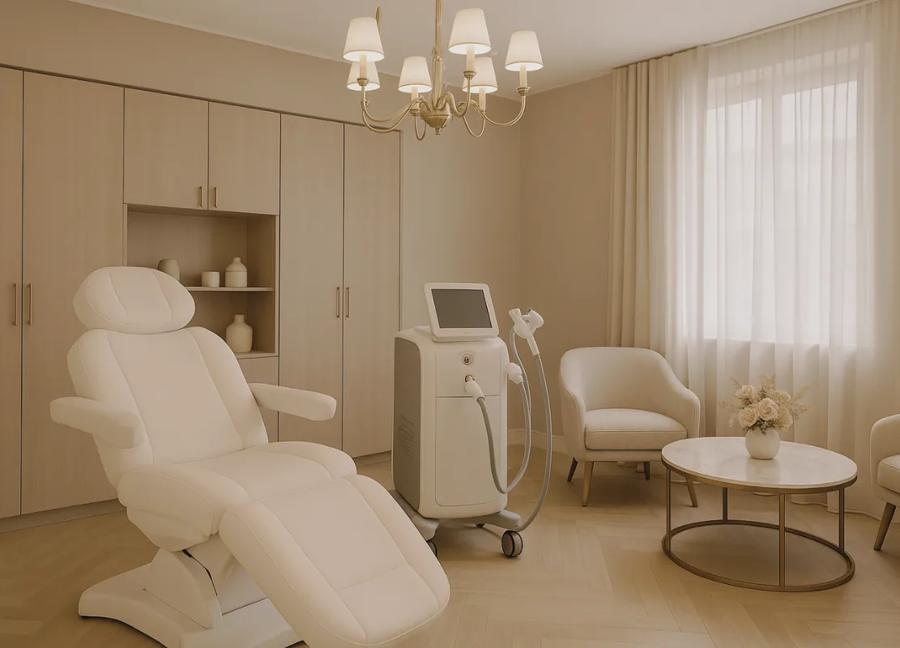
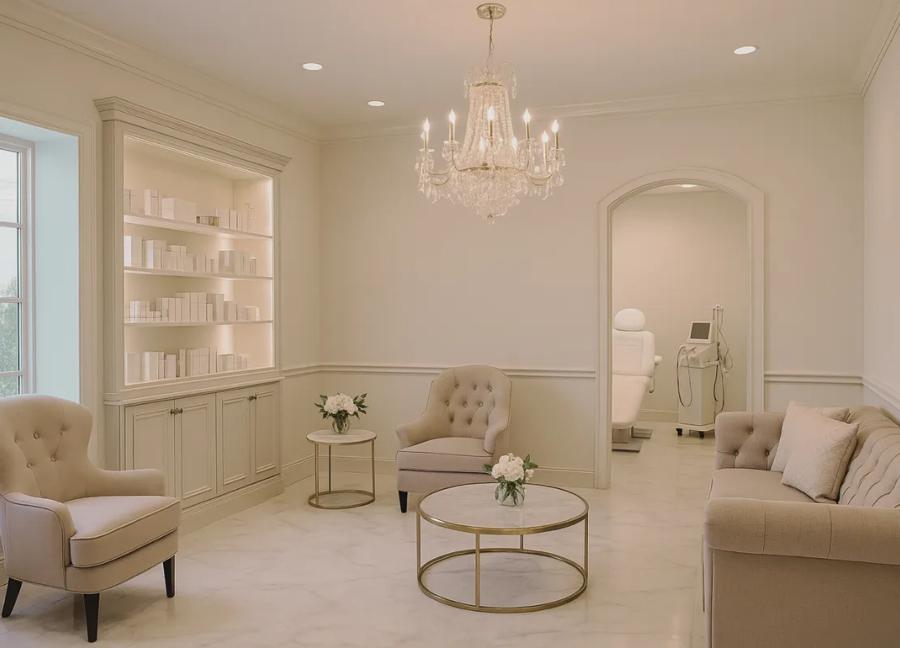
Designing a Space That Feels Like a Medspa, Not a Clinic
Patients pay for aesthetics with a different part of their brain than they pay for medical care. The moment a treatment room feels clinical, the perceived value, and the price you can charge, drops.
You don't need to gut your office. You need one or two rooms that feel like a destination: warm lighting, considered materials, a calm and private atmosphere. The experience is the product in aesthetics. Design accordingly.
Pricing, Packages, and Memberships
Aesthetics runs on recurring revenue. Single treatments are the entry point; packages and memberships are the business. Build series pricing, monthly memberships that bank value toward treatments, and bundles that pair a medical need (dry eye) with an aesthetic want (skin rejuvenation).
This is cash-pay, recurring, high-margin revenue that doesn't depend on insurance reimbursement, the opposite of the margin pressure squeezing traditional optometry.
Marketing to Your Existing Patient Base First
Your warmest aesthetic market is already in your patient files. They already trust you. Start there: a discreet announcement, an in-office menu, a conversation during the exam when it's clinically relevant.
External marketing comes later. The first wave of aesthetic revenue almost always comes from patients who would rather get a treatment from the doctor they already know than walk into a stranger's medspa.
The Mindset Shift From Doctor to Brand
This is the part nobody warns you about. Aesthetics demands that you think like a brand, not just a clinician. Patients aren't buying a procedure, they're buying a feeling, an experience, and a result they're emotionally invested in.
The optometrists who succeed here are the ones who embrace that they're now building an experience, not just delivering care. That's not a betrayal of medicine. It's what allows your medicine to reach more people and your practice to finally own its margins.
Start adjacent, stay compliant, design for experience, and market inward first. Done in that order, aesthetics doesn't dilute your practice, it elevates it.