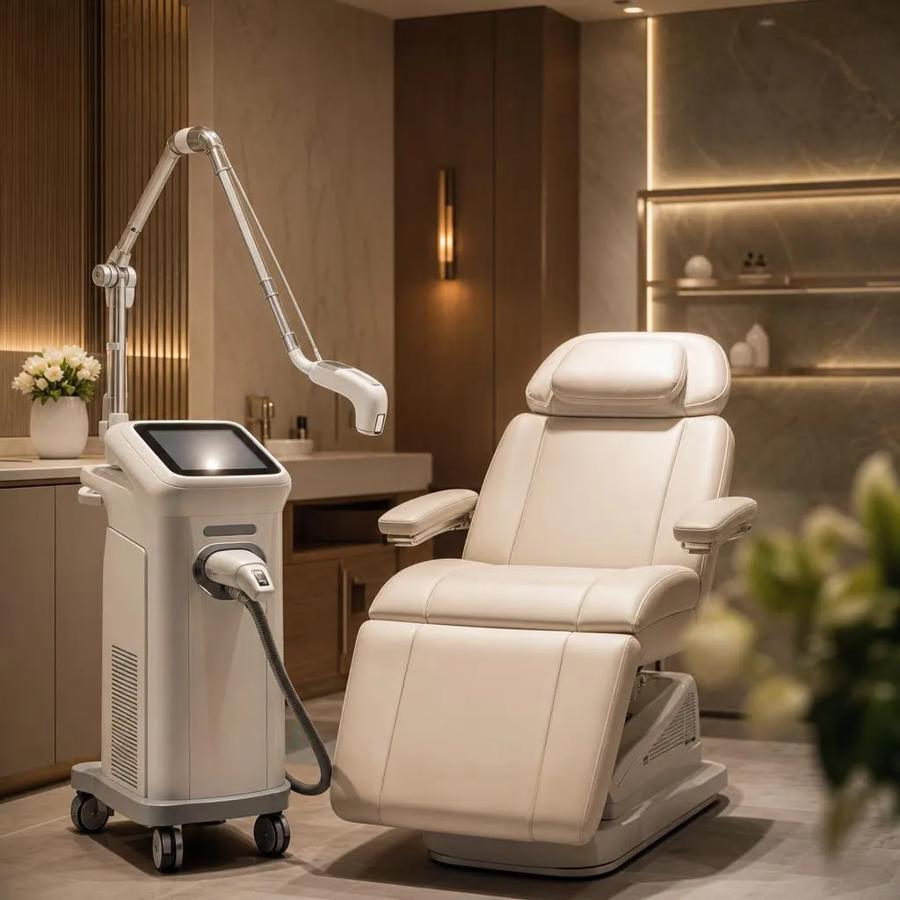

The most effective digital advertising channels for a dry eye treatment center depend on who you want to reach. Google Search ads can reach people actively looking for care. Meta ads can introduce a specialty service to people who are not searching for it yet. But before you spend more money acquiring a completely new audience, look at the audience you already have: your patients.
Your established patient base can be a gold mine of overlooked relationships. These people already know your practice. They have met your team. Yet many may have no idea what you offer beyond the reason they originally walked through your door.
Someone who came in for glasses may not know you evaluate dry eye. A patient who visits for an annual examination may not know about your specialty contact lenses, myopia management, or ocular aesthetic services.
That is why my approach to dry eye practice marketing is not “just run ads.” It is to build a recognizable brand, a useful website, a consistent patient newsletter, and an educational social presence, then use paid advertising where it supports your goals.
Email, SEO, and organic social media are not paid advertising channels, but they are essential parts of the marketing system that makes advertising more effective.
1. Email Marketing: Start With the Patients Who Already Know You
One of the most overlooked growth opportunities in an optometry practice is staying in touch with its existing patient community.
Do not assume that because someone is your patient, they know everything your practice does.
People remember what was relevant at their last visit. If they came in for a contact lens prescription, that may be the only service they associate with you. It is your responsibility to keep them informed as your practice evolves.
A Newsletter Is Essential to Keeping Patients in the Loop
In my coaching approach, a consistent newsletter is essential, not because every email should sell a treatment, but because your patients need an ongoing connection with your people, offerings, and brand.
Your newsletter can introduce:
- Dry eye evaluations and the concerns they address
- New services and appropriate treatment options
- Your doctors, technicians, and front-desk team
- What happens during a specialty consultation
- Answers to questions patients frequently ask
- Practice updates, educational events, and changes in hours
- The philosophy and experience that make your practice different
Keep it useful and personal. Introduce a team member. Explain something patients often misunderstand. Show what you are working on and why it matters.
A reliable monthly newsletter is a practical starting point. Add relevant educational messages when you have something meaningful to share rather than sending repetitive promotions.
Tell Patients What You Offer Beyond What They Came In For
A simple message might be:
“You may know us for your annual eye examination, but our practice also offers dedicated dry eye evaluations. If you have questions about persistent irritation, watering, or contact lens discomfort, our team can explain the appointment process.”
That message creates awareness without diagnosing the reader or promising a result.
Use one clear next step, such as reading your dry eye guide or requesting an evaluation. Make sure replies and requests reach a team member who can respond.
An existing patient relationship is not blanket permission for every marketing use. Follow applicable consent and healthcare privacy requirements, honor unsubscribe requests, and use appropriate systems. Do not put sensitive medical information in marketing subject lines or upload patient lists to advertising platforms without an appropriate legal and privacy review.
2. Local SEO: Be Found When Someone Searches for Help
Local search engine optimization helps a dry eye treatment center become discoverable when people in its service area are looking for answers.
Some people search directly for “dry eye treatment near me” or “dry eye specialist in [city].” Others search for the problem they are experiencing:
- Why do my eyes water all the time?
- Why do my eyes burn when I use a computer?
- Why are my contact lenses uncomfortable?
- What happens during a dry eye evaluation?
- How much does a dry eye consultation cost?
- Is dry eye treatment covered by insurance?
These are examples to investigate, not proof that every phrase is popular in your area. A good SEO professional researches the questions people actually search locally, reviews your website and search data, and develops useful content around that demand.
Build a Website That Answers the Questions Patients Actually Have
Your website should work toward answering all the common questions relevant to your services, not simply list a device name and a booking button.
Explain:
- Which concerns your practice evaluates
- What the first appointment involves
- How the clinician determines which options may be appropriate
- Which services you actually offer
- Potential benefits, risks, limitations, and follow-up requirements
- How costs are explained and coverage is verified
- Where you are located, how to contact you, and how to request care
For services such as IPL, radiofrequency, or other in-office treatments, discuss suitability accurately and within the relevant scope and indications. Do not suggest that everyone is a candidate or that one treatment cures every type of dry eye.
Use dedicated service pages, clear headings, clinician-reviewed answers, and helpful links between related topics. Avoid copying the same city-name page repeatedly or stuffing keywords into every paragraph.
Keep your Google Business Profile accurate, including hours, location, phone number, services, and appointment link. Add authentic office and team photographs, and request honest reviews without incentives or selective review gating.
SEO builds a foundation for discovery over time. It does not guarantee a particular ranking, number of patients, or inclusion in AI-generated search answers.
3. Google Search Ads: Reach People Actively Looking for Dry Eye Care
Google Search advertising can be a useful paid channel when someone is already looking for an evaluation or treatment provider.
Unlike a general awareness campaign, search advertising can respond to an immediate request for information.
Build a focused campaign around the services you offer and the geographic area you realistically serve. Review actual search terms and exclude irrelevant searches where appropriate.
Send People to a Relevant Landing Page
A person who clicks an ad about dry eye care should not have to search through a generic homepage to find it.
Send them to a focused page that explains the concern, your evaluation process, your clinical team, and the next step.
Make the action specific: “Request a Dry Eye Evaluation” is clearer than “Submit.”
If your form requests an appointment rather than confirming one, explain that distinction. Provide a realistic response expectation, and make sure the office consistently follows through.
Measure appropriate inquiries and attended appointments, not only clicks. A campaign that generates inexpensive traffic but no suitable appointments may need a different message, landing page, or follow-up process.
4. Meta Ads: Introduce Niche Services and Expand Awareness
Facebook and Instagram advertising can be useful when you are expanding into a niche offering that people may not associate with an optometry practice.
This can include ocular aesthetics, alongside dry eye education and other specialty services you are qualified to provide.
Someone may not be searching for your specific service because they do not yet know it exists. An educational video or a clear introduction to your practice can help create that awareness.
Lead With Education, Not Assumptions About Someone’s Health
An ad might introduce:
- What a dry eye evaluation involves
- How your practice approaches eye health and ocular aesthetics
- The clinician and team behind a specialty service
- What someone can expect at a consultation
Avoid language that implies you know the viewer’s medical condition or personal insecurity. “Learn about our approach to dry eye evaluation” is different from “We know you suffer from dry eye.”
Do not treat Meta ads as a substitute for a clear brand or website. If an ad looks polished but the destination is confusing, the experience loses consistency.
Follow current platform policies and applicable healthcare privacy rules. Advertising pixels and audience tools require particular care: do not send symptoms, diagnoses, treatment selections, appointment details, or other sensitive patient information to advertising platforms. Respect consent choices and opt-outs.
There is no universally best channel or guaranteed cost per patient. Test carefully, evaluate qualified inquiries, and adjust based on the results your practice can actually verify.
5. Organic Social Media: Use the Free Reach Available to You
Social media is free marketing in the sense that you do not have to pay to publish an organic post. Creating good content still takes staff time, planning, and sometimes production support.
I recommend posting at least three times per week as a practical starting cadence for staying relevant and visible to your audience. This is a consistency goal, not a platform rule or a guarantee of reach. Quality, usefulness, and a schedule you can sustain matter more than filling a quota.
Build a Simple Weekly Content Rhythm
- Education: answer one common dry eye or specialty-care question.
- People and brand: introduce a staff member, share your approach, or show the office experience.
- Services: explain what an evaluation or service involves and how to learn more.
Create reels that show your services and who you are. A clinician speaking directly to the camera can answer a question. A technician can explain how patients are welcomed. A short office walkthrough can reduce uncertainty about a first visit.
When demonstrating equipment, explain its purpose in patient-friendly language. Do not assume viewers understand a device acronym or know why it matters.
Use captions, readable on-screen text, and an appropriate next step. Invite general questions, but move individual medical concerns to a suitable private clinical channel rather than diagnosing in comments.
Use patient images or treatment footage only with appropriate authorization. Staff demonstrations and consented educational footage can explain a service without exposing private patient information.
6. Build a Brand That Explains Why Your Practice Stands Out
A strong brand is more than a logo and a color palette. It communicates what your practice values, the experience patients can expect, and why someone might choose you.
What is genuinely distinctive about your practice?
- A thoughtful, education-focused consultation process
- Relevant clinical training and experience
- A coordinated approach to specialty eye care
- Clear explanations of options and costs
- A welcoming team and consistent follow-up
Use authentic differentiators rather than unsupported claims that you are the “best” or that your technology guarantees better results.
Your website, newsletter, social posts, advertisements, office materials, and staff language should feel like they come from the same practice.
Patients should recognize your brand and understand your approach whether they encounter an Instagram reel, read an email, or call your office.
7. Connect Every Channel to a Reliable Patient Experience
Marketing cannot make up for missed calls, unanswered forms, or staff who do not know how to explain the service being advertised.
Before increasing your advertising budget, check:
- Does every form save and deliver the information your team needs?
- Is someone responsible for responding to inquiries?
- Does the team know which appointment type to offer?
- Are fees and next steps explained accurately?
- Does the consultation support informed choice without pressure?
- Are follow-up questions handled consistently?
Your existing patients should hear about relevant services inside the practice as well as online. Use clear reception displays, exam-room education, and take-home resources to introduce what you offer without overwhelming people.
Marketing creates the introduction. Your team, consultation, and follow-through build trust.
How to Choose the Right Mix for Your Dry Eye Center
If your practice already has an established patient base, start with a useful newsletter, clear service education, and a reliable response process.
If patients are actively searching for care locally, strengthen your service pages and local SEO, then consider focused Google Search campaigns.
If you are introducing niche services such as ocular aesthetics, pair educational social content with a carefully planned Meta awareness campaign and an appropriate landing page.
In every case, keep your brand consistent and measure meaningful results:
- Inquiries by service and source
- Time taken to respond
- Appointments scheduled and attended
- Advertising cost per attended appointment where measurement is appropriate
- Questions patients still have after reading your content
Use privacy-conscious attribution. A website visit or booking-button click is not the same as an attended appointment, and not every appointment can be attributed perfectly to one channel.
Frequently Asked Questions About Dry Eye Digital Marketing
What is the best paid advertising channel for a dry eye treatment center?
Google Search ads can suit people actively seeking care, while Meta ads can support awareness of unfamiliar specialty services. The right choice depends on local demand, your goals, your website, your budget, and the quality of the inquiries you receive, not a universal ranking.
Should an optometry practice send a patient newsletter?
Yes, a useful, consistent newsletter is a practical way to keep appropriately subscribed patients informed about your staff, services, education, and practice updates. It helps patients discover offerings beyond the reason they originally visited. Follow applicable consent and privacy requirements.
How often should a dry eye practice post on social media?
My starting recommendation is at least three posts per week, mixing education, team and brand content, and service explanations. Include reels where useful. Treat the frequency as a sustainable coaching recommendation, not a promise of algorithmic reach.
What should a dry eye treatment website include?
Explain symptoms and concerns you evaluate, the consultation process, clinician expertise, appropriate services, costs or how fees are determined, location, and appointment steps. Answer locally researched questions clearly and have clinical information reviewed for accuracy.
Make Your Marketing Work Together
The most effective strategy is not choosing one channel and ignoring the rest. It is making each channel serve a clear purpose.
Email keeps your established patient community connected. SEO and a robust website answer questions. Search ads reach active interest. Meta ads introduce niche offerings. Consistent social content shows your services, people, and brand.
When these pieces support the same message, and your team delivers on that message, your marketing becomes more coherent and useful to the patients you want to reach.
Through Aesthetic Coaching, I help optometry practices align their branding, website, specialty marketing, newsletters, patient education, staff communication, and consultation experience.
For related guidance, read Best Digital Marketing Strategies for Eyecare Clinics and How to Attract New Patients to Your Optometry Practice.
Book a complimentary strategy call to discuss a focused marketing plan for your dry eye or specialty optometry practice.