Imagine someone discovers your practice because they are interested in an aesthetic consultation. They open your website and see rows of frames, insurance logos, and a message about annual eye examinations.
You may offer exactly the service they are looking for. But the first impression gives them little reason to keep looking.
That is the challenge of optometry aesthetic marketing: your practice has moved beyond the traditional optical experience, while your public identity may still be telling the original story.
If your offerings have evolved, your marketing needs to reflect that evolution.
This does not mean abandoning comprehensive eye care or the patients who helped build your practice. It means creating a brand that makes your expanded expertise visible, and an experience that supports what you promise.
The colors you choose, the images you show, the words your staff use, and the way you explain a consultation all contribute. None of these elements can do the work alone.
Move Beyond “We Also Offer Aesthetics”
Adding an aesthetics tab to an unchanged website is not the same as establishing an aesthetic identity.
If every other part of your marketing emphasizes eyewear and routine examinations, a new service may feel like an afterthought.
Instead, ask what you want someone to understand within the first few moments of encountering your practice:
- We provide thoughtful, individualized consultations.
- Our specialty services are supported by relevant clinical experience.
- We care about both clear communication and the patient experience.
- Our dry eye and aesthetic offerings have a meaningful place in the practice.
These messages need to be grounded in what you actually deliver. Branding should communicate expertise, not manufacture it.
Your goal is to help the right person recognize that your practice deserves consideration for more than glasses.
Color Is Part of the Introduction
Before someone reads a service description, they see your colors, typography, photography, and layout.
Together, those choices can suggest warmth, restraint, energy, or a more clinical presentation. They are design cues, not universal psychological rules. People interpret color differently, and context matters.
For an optometry practice introducing aesthetics, a softer visual direction can help communicate a more personal, considered experience while preserving clinical credibility.
Softer does not have to mean pink. Elevated does not have to mean beige. Luxury does not have to mean black and gold.
Warm Neutrals and Pearl Tones
Cream, pearl, warm taupe, and muted rose can create a gentle foundation for a practice that wants its presentation to feel welcoming and polished.
These colors work best when paired with enough contrast for text, navigation, and appointment buttons. A pale background with pale lettering may look delicate in a mockup but become frustrating on a phone.
Sage, Stone, and Grounded Greens
Muted greens and warm stone tones can support a calm, organic direction. They may suit a practice whose real environment and communication style emphasize a thoughtful, grounded experience.
Use them as part of a coherent system rather than placing a green accent on otherwise unrelated materials.
Lilac, Plum, and Richer Accents
Lilac, mauve, plum, and deeper violet can introduce a distinctive aesthetic identity without requiring an all-pastel brand.
A deeper shade can anchor the design, while softer supporting colors create variety. Photography, type, and spacing determine whether the result feels sophisticated, playful, or dramatic.
There is no requirement to make every aesthetic practice look the same. A more expressive palette can work when it reflects the practice and is applied intentionally.
Explore a Direction Before Choosing a Favorite Color
My Brand Discovery page brings together color palettes, typography, and visual inspiration to help you consider how a brand could feel.
For example, Pearl & Silk, Earthen Luxe, and Lavender Gelato offer different starting points. They are not prescriptions for a particular practice type. They help you compare directions and explain what feels aligned.
Look at the full palette rather than one appealing swatch. Consider how it will work on your website, social posts, email newsletters, signage, and patient materials.
The question is not only “Do I like this color?” It is “Can this visual system consistently represent the practice I am building?”
Style Is the System Around the Colors
A palette alone cannot create a brand.
An editorial typeface paired with clean supporting text may feel very different from the same colors used with decorative fonts, crowded graphics, and inconsistent photographs.
An effective visual system defines:
- A readable hierarchy for headings and body text
- A consistent approach to photographs
- How much space content needs
- Which colors are backgrounds, text colors, or accents
- How buttons and calls to action are recognized
- How the brand adapts to mobile screens and printed materials
For an eye care business, readability deserves particular attention. Avoid tiny type, low contrast, and essential information embedded only in decorative images.
You can create a refined look without making people work harder to understand it.
Luxury Branding Is More Than Looking Expensive
In an optometry aesthetic practice, luxury can mean careful attention, clarity, consistency, and respect for the patient’s time.
It is the difference between a confusing appointment request and a clear next step. Between an unexplained treatment name and a consultation that helps someone understand their options. Between polished advertising and a team that actually follows through.
A premium impression comes from the entire experience, not just a premium-looking logo.
If your website presents a highly considered experience, but your forms fail or your team cannot explain the consultation, the promise and reality do not match.
Luxury should not mean making existing patients feel unwelcome or implying that a higher price guarantees a better clinical outcome.
The most credible elevated brands are specific about the experience they provide and consistent in delivering it.
Show Your Expertise Instead of Simply Claiming It
When you enter a specialty space, patients need help understanding why your practice is relevant.
Use your website and content to explain:
- Your relevant education and training
- The concerns your practice evaluates
- What happens during a consultation
- How suitability is assessed
- How options, risks, limitations, and costs are discussed
- What follow-up looks like
Keep dry eye care and aesthetic services clearly described. Do not imply that every aesthetic procedure treats dry eye or that every dry eye patient needs an aesthetic intervention.
Accurate education communicates expertise more effectively than unsupported claims that you are the best, the only expert, or able to guarantee results.
Your confidence should come through in the quality of your explanation.
Make Your Website a Specialty Destination
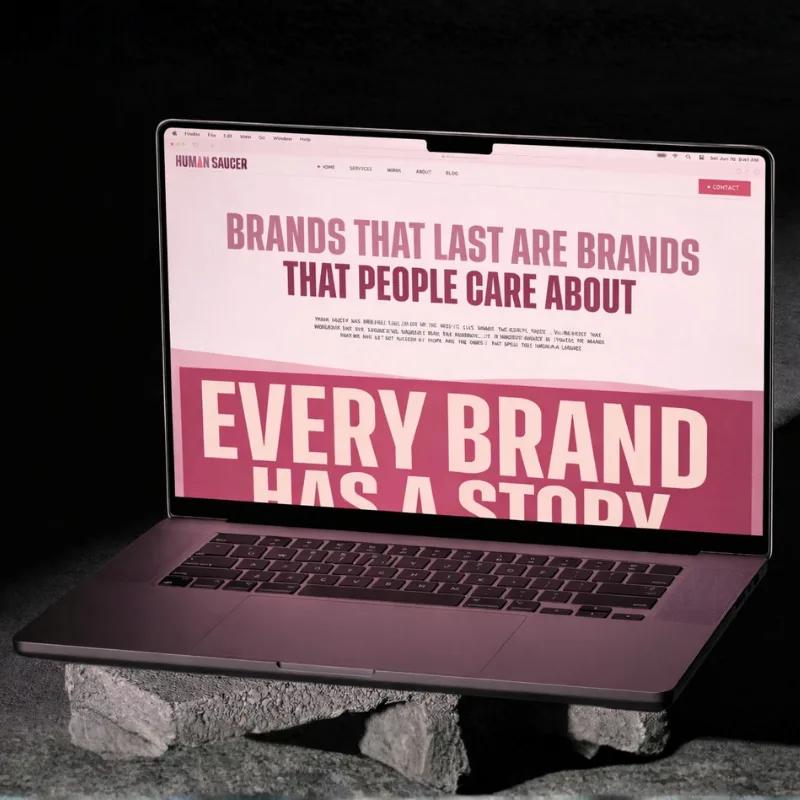
An effective optometry aesthetics website should help someone recognize the service they need without erasing the practice’s comprehensive eye care foundation.
Give dry eye and aesthetic services appropriate visibility in navigation and on relevant landing pages. Use dedicated pages rather than combining every offering into a vague list.
Use Photography That Shows the Practice You Have Become
Frames may remain part of your business, but they should not be the only visual story.
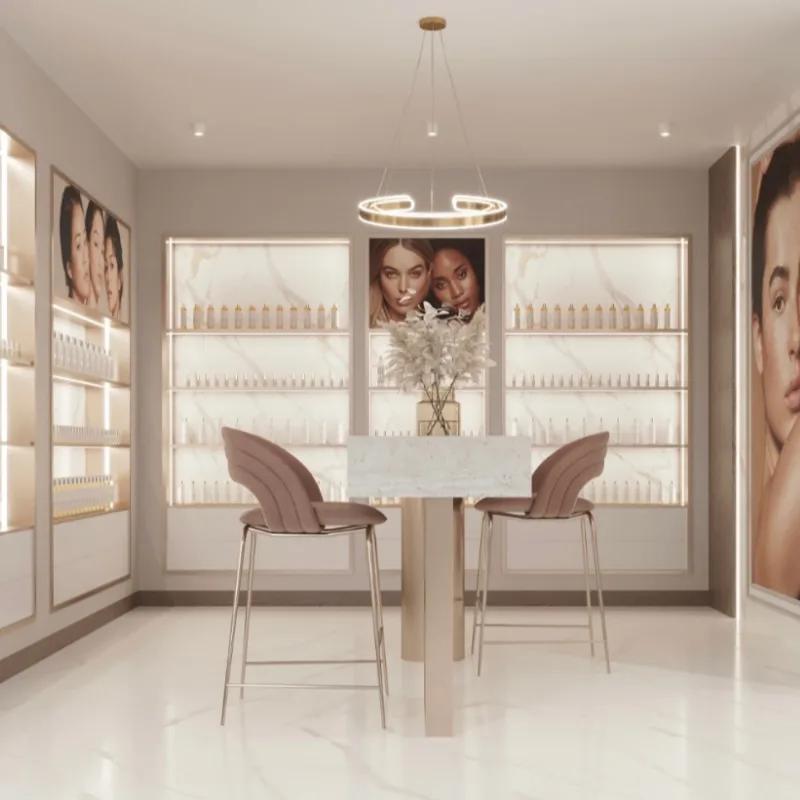
Show your clinicians, your consultation space, your team, and the real environment patients will encounter. Use educational demonstrations and patient imagery only with appropriate authorization.
Avoid a website filled with generic beauty images that do not reflect your services or create unrealistic expectations.
Answer Questions Before Someone Has to Call
Patients may want to understand the evaluation, who provides the service, how costs are explained, what limitations exist, and what the next step involves.
A good SEO strategy investigates what people actually search for in your service area and develops useful, accurate content around those questions.
Use descriptive page titles, clear headings, clinician-reviewed service information, and relevant links between articles and service pages. Avoid repetitive city pages or keyword stuffing.
Search optimization should make your expertise easier to find and understand. It cannot guarantee rankings or patient acquisition.
Let Social Media Keep Introducing Your Expanded Practice
A rebrand does not become familiar through one announcement.
Your social content should repeatedly show what you offer and who you are, without repeating the same sales message.
A useful mix includes:
- Education that answers a common question
- Reels where you explain your approach
- Team introductions and behind-the-scenes context
- Clear descriptions of specialty evaluations
- Practical explanations of appointment steps
Use recognizable colors, consistent typography, and a tone that sounds like your practice. But do not let template consistency replace substance.
A reel of you answering a thoughtful question can communicate more about your expertise than another device photograph with an unexplained acronym.
I recommend at least three useful posts per week as a starting cadence when it is sustainable for the team. That is a consistency goal, not a platform requirement or a promise of reach.
Bring Existing Patients Into the New Story
Do not assume your established patients know about your expanded services.
Someone may have visited for years and still think of you only as the place they buy glasses.
Use a newsletter to introduce your specialty approach, share educational content, and help people get to know your team. Keep communicating after the initial announcement.
In the office, update displays and patient materials to reflect the same priorities. Train staff to explain the appropriate next step without diagnosing, making treatment promises, or pressuring patients.
For example: “Alongside comprehensive eye care, our practice offers dedicated consultations for these services. We can explain what the evaluation involves and help you find the right appointment.”
Follow applicable privacy and marketing-consent requirements. A patient relationship is not automatic permission for every promotional use of their information.
Let Authentic Reviews Add Context
Reviews can help prospective patients understand what it is like to interact with your practice.
When people voluntarily describe a consultation, clear communication, or a service they received, that detail can make your expanded offerings more visible to other readers.
Request honest feedback consistently. Do not offer incentives, ask only people expected to leave positive reviews, or prescribe treatment keywords for patients to include.
Patients should share only what they are comfortable making public. Keep public responses general and do not confirm treatment details or patient status.
A review can describe one person’s experience; it should not be presented as a guarantee of another person’s outcome.
Make Paid Marketing Match the Brand
Once your positioning, website, and inquiry process are coherent, paid marketing can help introduce the practice to a wider audience.
Search ads may reach people actively looking for a service. Meta ads can introduce niche offerings to people who are not yet familiar with your practice.
The creative should reflect the actual experience: the same visual identity, accurate service language, and clear next step people find on your website.
Respect platform policies, privacy requirements, and advertising consent choices. Do not imply knowledge of a viewer’s medical condition or send sensitive patient information to advertising platforms.
Paid reach cannot repair a mismatch between your message and the patient experience. Align those pieces before increasing spending.
What I Help Practices Bring Together
This is the work I help with through Aesthetic Coaching: connecting what your practice has become with what people see, hear, and experience.
That can involve clarifying your position, exploring a visual direction, strengthening your website, developing consistent marketing, and improving the conversations that happen inside the practice.
The goal is not to make you look like every other aesthetic business. It is to make your own expertise and experience easier to recognize.
For many optometrists, the challenge is not a lack of clinical capability. It is that the brand, website, content, and team language have not caught up with the services.
You do not need disconnected marketing pieces. You need a consistent expression of the practice you are building.
Frequently Asked Questions About Optometry Aesthetic Marketing
How is aesthetic marketing different from traditional optometry marketing?
It often needs to explain services and consultation experiences that patients do not automatically associate with an optical practice. The brand, photography, website, and educational content should make those offerings visible while maintaining clinical credibility.
Which colors work best for an optometry aesthetics brand?
There is no universal best palette. Warm neutrals, pearl tones, sage, lilac, and richer accents can support different directions. Choose a coherent system that reflects the practice, stays readable, and works across digital and printed materials.
Does luxury branding mean abandoning family eye care?
No. You can elevate how specialty services are presented while preserving a welcoming comprehensive eye care practice. Clear navigation, positioning, and communication help patients understand how the offerings fit together.
Where should I start if my practice has added dry eye or aesthetics?
Start by reviewing the impression your current website and marketing create. Clarify your service priorities and audience, then align the visual identity, website, content, and patient experience. A new logo alone will not solve an unclear message.
Let Your Marketing Reflect Your Next Stage
Going beyond the ordinary optometry practice means giving people a reason to see you differently.
That reason should be visible in your colors and style, understandable on your website, reinforced through your content, and supported by your team.
Explore Brand Discovery to consider your visual direction, or read how to create an effective branding package for an optometry aesthetic business for a practical breakdown of the pieces.
For campaign planning, see how to create a digital marketing campaign for dry eye treatments.
Book a complimentary strategy call to discuss how your brand and marketing can reflect the practice you are ready to grow.