
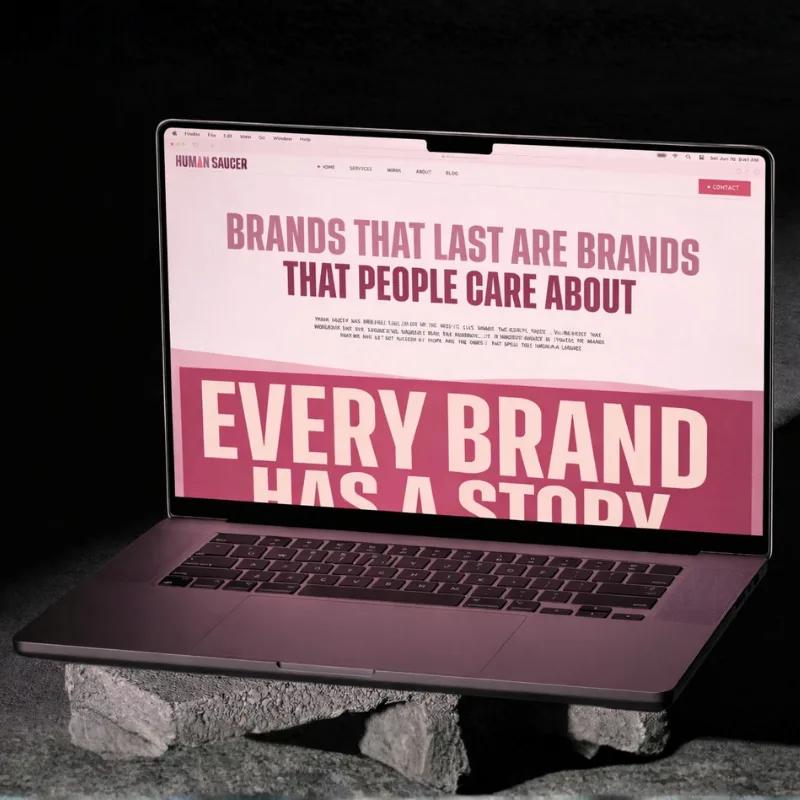
Modern optometry clinic branding is not simply a newer logo, a cleaner website, or a more fashionable color palette. It is the way your practice helps people understand who you are, what you offer, and what they can expect from your care.
A clinic can look contemporary and still leave patients confused. Another can have excellent clinical capabilities that remain almost invisible because its public identity has not evolved.
The strongest optometry brands connect what patients see with what they actually experience.
That connection matters whether you provide comprehensive family eye care, specialty contact lenses, myopia management, dry eye care, ocular aesthetics, or a combination of services.
These best practices can help you build a brand that feels current, credible, and distinctly yours.
1. Define Your Position Before Choosing Your Visuals
Start with a simple question: what should someone understand about your practice that they would not immediately understand about any other optometry clinic?
“Quality care” and “friendly service” may be true, but they do not communicate much on their own.
Be specific about the people you serve, the services you prioritize, and how you approach care.
Your positioning might emphasize an accessible family practice, a thorough specialty evaluation experience, or a coordinated approach to eye health and appropriate aesthetic services.
Clarify:
- Who your primary audiences are
- Which services you want to be known for
- What relevant expertise supports those services
- What the patient experience should feel like
- What your practice consistently does well
Do not claim to be everything to everyone. You can offer a broad range of care while giving your identity a clear focus.
Positioning is also not permission to exaggerate. Qualifications, specialist designations, and claims about results must be accurate and supportable.
2. Find the Gap Between Your Current Brand and Your Actual Practice
Before replacing your identity, look at what patients encounter today.
Review your homepage, Google Business Profile, social accounts, appointment emails, reception signage, and patient handouts.
Ask someone unfamiliar with the practice what services they think you offer after looking at those materials. Their answer may reveal a gap.
If your clinic now provides detailed dry eye evaluations but every photograph shows frames, people may see only an optical business. If you offer myopia management but never explain it, parents may assume you only update glasses prescriptions.
The solution may be better messaging and service visibility rather than a complete rebrand.
Preserve the elements patients already recognize when they still serve the practice. Modernization should make your identity clearer, not erase useful familiarity without a reason.
3. Build a Visual Identity That Works as a System
Your logo, colors, typography, imagery, and layouts should reinforce each other.
A strong visual system works on a mobile website, a social post, a newsletter, a sign, and a printed care guide, not just in a presentation.
Choose Colors for Direction and Usability
Warm neutrals and pearl tones can support a softer presentation. Sage and stone can offer a grounded direction. Deeper blues, greens, or plum can provide contrast and character. More expressive palettes can work too.
These are design possibilities, not universal rules about how patients respond to color.
Choose a primary palette and define the role of each color. Decide which shades are used for backgrounds, headings, buttons, and supporting accents.
My Brand Discovery page can help you compare palettes, typography, and visual styles before settling on a direction.
Do not select colors only because you like them individually. Evaluate how they work together and whether they represent the practice you are building.
Keep Typography Readable
Use a small, consistent set of type styles with a clear hierarchy. A distinctive heading font can add personality, while supporting text should remain easy to read.
Avoid excessive decorative lettering, small type, and long passages in all capitals. Design decisions should help patients find and understand information.
4. Treat Accessibility as Part of the Brand
An eye care practice should take visual accessibility seriously.
Low-contrast text, tiny appointment links, image-only instructions, and difficult navigation can undermine an otherwise polished presentation.
Prioritize:
- Readable text sizes and adequate color contrast
- Clear labels rather than icons alone
- Keyboard-accessible navigation and visible focus states
- Descriptive alternative text for meaningful images
- Captions on educational videos
- Forms that explain errors clearly
- Layouts that remain usable on smaller screens and with enlarged text
Do not rely on color alone to communicate an important instruction.
Accessibility is not a promise that one design works perfectly for every person. It is an ongoing practice of reducing unnecessary barriers and testing how people use your materials.
A brand that values patient care should show that consideration before the appointment begins.
5. Use Authentic Photography to Make the Practice Recognizable
Your images should help patients understand who they will meet and what the environment is like.
Prioritize real photographs of your clinicians, team, consultation spaces, and office. Show relevant services accurately rather than relying entirely on generic images of eyes, glasses, or beauty models.
Give photography a consistent direction: lighting, composition, backgrounds, and editing should feel related across the website and social channels.
You do not need every image to look staged. Natural, professional photographs can communicate warmth and familiarity.
Use patient photographs or treatment footage only with appropriate authorization. Keep records, computer screens, and private information out of the background.
Stock imagery can support a design, but it should not create a misleading impression of your staff, premises, equipment, or services.
6. Make the Website Reflect Your Full Service Mix
A modern optometry website should do more than list hours and invite people to book an eye examination.
Help visitors find the service relevant to their concern. Give priority services their own useful pages, rather than burying them beneath one broad description.
Depending on your practice, these might include:
- Comprehensive eye examinations
- Dry eye evaluation and care
- Myopia management
- Specialty contact lens fittings
- Ocular aesthetic consultations
- Eyewear and optical services
Explain what happens at the appointment, who provides the care, how recommendations are made, and what the next step involves.
Keep clinical distinctions clear. Do not suggest that every aesthetic procedure treats dry eye or that every patient is suitable for every service.
Connect Branding With Local SEO
Use accurate practice and location details, descriptive page titles, clear headings, and useful answers to patient questions.
A good SEO professional researches local search behavior and uses that evidence to guide service content. Avoid repetitive city pages or filling paragraphs with the same keyword.
Your Google Business Profile and important listings should agree with your website about your name, address, hours, services, and contact information.
Brand consistency helps people recognize the same practice across those places. It does not guarantee a particular search ranking.
7. Develop a Voice Your Team Can Actually Use
Brand voice is not just website copy. It is how your practice sounds in emails, social videos, phone calls, and consultations.
Choose a few clear qualities that fit your team, such as warm, direct, reassuring, and educational, and show what they mean in practice.
Instead of “We offer advanced technology,” explain what the evaluation helps the clinician assess and how findings guide the conversation.
Instead of promising a solution before an examination, explain the appointment process and the need for individualized recommendations.
Give staff practical language for common questions about appointment types, fees, and next steps. Clinical questions should go to the appropriate clinician, and urgent concerns should follow the practice’s triage process.
The goal is consistency without making people sound scripted.
8. Make Specialty Growth Feel Like a Clear Evolution
When a family optometry clinic adds dry eye or aesthetic services, patients need help understanding the change.
You may not need a new business name. Often, clearer positioning, more intentional visuals, and dedicated specialty pages can communicate the next stage.
If you consider a separate service identity or sub-brand, make the relationship clear. Patients should know who provides care, where appointments happen, and how the services connect.
Do not make long-standing patients feel that their routine eye care is no longer important.
An elevated brand can communicate both a welcoming comprehensive practice and a thoughtful specialty experience. Clarity is more important than trying to imitate a luxury aesthetic.
9. Reinforce the Brand Through Useful Content
A new identity becomes familiar through consistent use.
Create social posts, reels, newsletters, and articles that reflect your service priorities and answer real questions.
Rotate between:
- Patient education
- Clinician and staff introductions
- Explanations of the consultation process
- Practice updates
- Clear descriptions of services
Use recognizable visual templates, but do not let templates replace useful information.
A short video of you explaining a question can communicate your approach more effectively than another generic graphic.
Keep existing patients informed about services beyond the reason they first visited. Follow applicable consent and privacy requirements for marketing communications, and respect unsubscribe requests.
Consistency means communicating reliably, not publishing the same promotional message everywhere.
10. Make the Experience Match the Presentation
Every interaction tests your brand promise.
If you present the practice as thoughtful and organized, appointment requests should not disappear. If you emphasize education, patients should receive understandable explanations.
Review:
- Whether calls and inquiries receive timely responses
- Whether appointment types are easy to understand
- Whether fees and next steps are explained clearly
- Whether office displays support rather than overwhelm
- Whether consultations explain options, limitations, and alternatives
- Whether follow-up instructions are accessible
Modern branding does not stop at the front desk. It includes how reliably the practice delivers the experience people expected.
11. Roll Out Changes Without Creating Confusion
Create a practical brand guide so your team and collaborators know how to apply the identity.
Include logo usage, colors, typography, photography direction, voice examples, and templates for frequently used materials.
Before launch, check website links, appointment pathways, email templates, signage, and listings. If page URLs change, plan appropriate redirects so patients do not land on broken pages.
Introduce the refresh to existing patients. Explain what is changing and what remains the same, especially if the name or service presentation changes.
Assign someone to keep materials current. A new website paired with outdated brochures and inconsistent social graphics can quickly recreate the confusion the project was meant to solve.
A Modern Optometry Branding Checklist
- Our positioning explains who we serve and what we prioritize.
- Our visual identity is recognizable across digital and printed materials.
- Our design is readable and accessible.
- Our photographs accurately represent our people and practice.
- Our website makes relevant services easy to find.
- Our clinical claims and qualifications are accurate.
- Our team can explain appointments and next steps consistently.
- Our marketing reflects both established care and new offerings.
- Our inquiry and follow-up processes support our brand promise.
- Someone is responsible for keeping the brand consistent over time.
Use this checklist to identify the most important gaps before investing in a complete redesign.
Frequently Asked Questions About Modern Optometry Branding
What makes an optometry clinic brand modern?
Clear positioning, usable design, authentic communication, relevant service information, and a consistent patient experience. Following the latest visual trend alone does not make a brand effective.
Does modern branding require a new logo?
Not always. Your existing logo may still work. The more important changes may involve the website, photography, messaging, accessibility, or how specialty services are presented.
How do branding and optometry SEO work together?
Branding helps people understand and recognize your practice. SEO helps relevant information become discoverable. Accurate local details, useful service pages, and consistent messaging support both, without guaranteeing search results.
Can a practice look elevated while still welcoming families?
Yes. Thoughtful design, clear language, and attentive service can feel polished without being exclusive. Keep comprehensive eye care easy to find and explain how specialty services fit into the practice.
Build a Brand Patients Can Recognize and Trust
The best modern optometry brands do not simply look different. They make the practice easier to understand, easier to navigate, and more consistent to experience.
Your positioning sets the direction. Your visual identity creates recognition. Your website and content explain your expertise. Your team turns those expectations into a real experience.
That is what I help practices bring together through Aesthetic Coaching: a brand, website, marketing approach, and patient experience that reflect the practice they are building.
Explore Brand Discovery for visual inspiration, or read how to create an effective branding package for an optometry aesthetic business and how to evolve your optometry aesthetic brand.
Book a complimentary strategy call to discuss where your practice’s brand needs to go next.